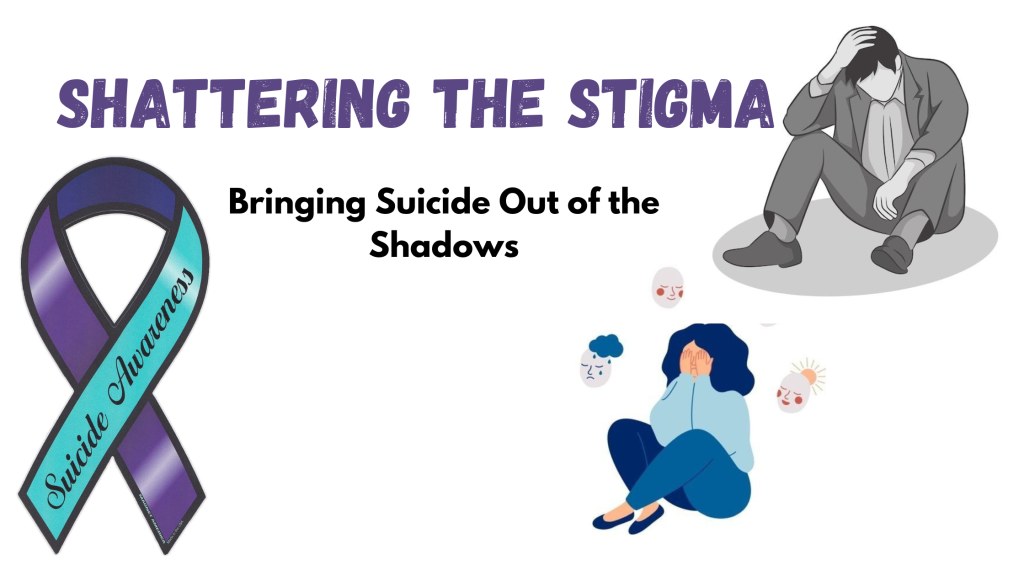

Conversations about mental health have become more common around the fireside, yet as a society we still hesitate when the subject turns to suicide. Before we go further, here are a few non-negotiables worth putting on the table:
- Anyone’s cry for help is a legitimate cry for help. We like to dismiss suicidal ideation as “just attention-seeking,” as though that settles it. It doesn’t. It only raises a question: since when did needing attention while in that much pain stop being a real cry for help?
- Talking about suicide openly is always more helpful than treating it as taboo.
- Shaming someone or getting them to sign a “contract” promising not to attempt is one of the least effective things we can do. It protects our discomfort, not their life.
So the real question becomes: what is a more helpful response? In this article we’ll look at safety planning from two sides the person living with suicidal ideation or a past attempt, and the friends and family quietly showing up for someone they love — and at how we make this a more normal conversation in our homes, workplaces and communities.
What is a Safety Plan?
In short: A safety plan is a short, personal, written plan — usually made with a therapist — that sets out exactly what to do before or during a suicidal crisis to stay safe. It isn’t a form or a contract. It’s a map you draw while the weather is calm, so you’re not navigating the storm from scratch.
Nobody signs it as a promise. It’s closer to a map you draw while the weather is calm, so that you’re not trying to navigate a storm from scratch while standing in the middle of it.
The Goal of a Safety Plan
Suicidal crises are, more often than we assume, time-limited. The intensity that feels unbearable and permanent in the moment does tend to pass — if the person survives long enough for it to. The whole goal of a safety plan is to buy that time: to place a series of small, already-decided steps between the thought and the action, so a person in crisis is following a plan rather than making decisions under the worst pressure of their life.

The Six Building Blocks Of A Safety Plan
1. Knowing your warning signs
Before you can interrupt a crisis, you need to know it’s building. Warning signs are personal — the thoughts, moods, behaviours and even physical sensations that tend to show up for you specifically before things escalate. It might be a particular thought, a mood shift, withdrawing from people who usually get a reply from you, sleeping too much or too little, or a restlessness you can’t name. This step is about becoming a student of your own patterns — noticing what your “ten minutes before” looks like, so you can catch it there instead of at “now.”
2. Identifying your coping strategies
These are things you can do alone, without needing to reach anyone, to bring the intensity down even slightly: a specific playlist, journalling, a show you’ve watched a hundred times, a hobby that occupies your hands. The point isn’t to solve the crisis — it’s to create a pause. A good coping strategy is one you can name and reach in under a minute, because in the moment, complicated instructions won’t get followed.
3. Healthy physical coping strategies
Distress often lives loudest in the body, so easing it through the body helps: a short walk, stretching, dancing badly to one song, a warm shower, slow deep breathing, or simply stepping outside for a change of air and light. These work because they shift your physiological state gently — steady, low-effort movement your body can actually use.
4. Securing your environment
This is one of the most evidence-backed pieces of the whole plan, and one of the least talked about: reducing your access to whatever you might use to harm yourself. In practice, that often means letting a trusted person help you put time and distance between a difficult moment and the means to act on it — a little friction between a thought and access. Your therapist can help you decide what that looks like for your situation. It isn’t about being watched or punished; it’s about making your environment a little kinder and a little slower on the days it needs to be.
5. Identifying people, places and roles
A support system works best when everyone knows their role, so nobody has to guess in real time. Name specific people (not just “family”), specific places that feel safe to go to, and be clear about what each person is being asked for — someone to sit with you in silence, someone to talk it through, someone who can physically come and get you. Clarity removes the awkward guessing game of who to call and what you even want once you do.
6. Keeping professional help active
This is the step people save for “if things get really bad,” when it should be a standing appointment, not a last resort. Booking in with your therapist or psychiatrist — even preventively — keeps the professional layer of your support switched on, rather than something you’re scrambling to arrange mid-crisis. If you already have someone, use them. If you don’t yet, this is your sign to start looking.
For The Person Being Leaned On
In short: If you’ve been trusted to be “on the list,” your side of the plan matters just as much. Your job isn’t to be a therapist — it’s to know the person’s warning signs, remember what has helped before, help keep their environment safer, be clear on your role, look after yourself, and help with the admin of getting support.

Know the warning signs — and check in on a rhythm
You don’t need a psychology degree to notice a pattern; you need curiosity. Sit down on an ordinary Tuesday, not mid-crisis, and learn what their warning signs look like for them. Then build in low-key “how are you actually doing” check-ins on a regular rhythm, not only when your worry spikes — that normalises the topic so it isn’t only raised when things already look bad.
Offer what has actually worked before
Your job isn’t to invent a solution on the spot — it’s to remember what has already helped. If a particular walk, a call to a certain friend, or a specific playlist has pulled them back before, gently offer that instead of asking them to think from scratch while they’re struggling.
Help keep the environment safer
This is one of the most practical, least glamorous things you can do — and one of the most effective. If you’ve been trusted with this role, it can mean helping the person put distance between a hard moment and the means to act on it, and holding on to things on their behalf when they ask. Do it calmly and without shame; it isn’t surveillance, just making the space a little safer while it needs to be. If you’re unsure what that should include, work it out together with their therapist or a crisis line.
Get clear on your role — and play it well
Not every supporter is meant to do everything, and pretending otherwise burns people out fast. Get clear — ideally with the person themselves — on what you’re actually being asked for. Are you the 2am call? The one who shows up in person? The one who just listens without trying to fix anything? Knowing your lane lets you show up consistently in it.
Look after yourself, too
A common reason people hesitate to reach out is seeing how much distress they’ve caused those who love them — and most of us are uncomfortable causing others discomfort. Your fear for your loved one is real, but in a crisis the focus belongs on the person living with the ideation. Regulate your own emotions and take genuine care of yourself, so you can be a calm centre rather than another source of alarm.
Help with the booking
Sometimes the biggest barrier between someone and professional help isn’t motivation — it’s admin. Offer to help find a therapist, make the call, or sit with them while they send the email. From inside a depressive or suicidal episode, booking a session can feel enormous, and your willingness to carry that logistical weight can be the difference between “I’ll do it eventually” and “it’s done.”
Making This An Everyday Conversation

None of this works if suicide stays something we only whisper about once a year. We need to be able to ask the direct question — “are you thinking about suicide?” — in our homes, without treating it as though we’ve planted the idea (asking directly does not increase risk; it opens a door). We need workplaces that take a colleague’s mental health as seriously as their physical health, and schools, churches and community groups willing to have this conversation before there’s a crisis to respond to.
A safety plan is proactive, not reactive. It’s built in a calm moment so it can be trusted in a hard one. If we can normalise this the way we’ve slowly normalised the rest of the mental health conversation, we give each other a real, practised way to survive the worst nights — instead of just hoping we never have one.
Frequently Asked Questions
What is a suicide safety plan?
A short, personal, written plan — usually made with a therapist — that lays out what to do before or during a suicidal crisis to stay safe. It’s a tool, not a promise or a contract.
Does asking someone about suicide make things worse?
No. Asking directly and calmly does not plant the idea or increase risk; it signals that the person can talk to you, which is protective.
How can I support someone without being a therapist?
Learn their warning signs, remember what has helped before, help keep their environment safer, be clear on your role, look after yourself, and help with the admin of getting professional support.
Can online therapy help with this in Kenya?
Yes — ongoing therapy is a key part of staying well between crises. Pink Amazon Therapy offers online counselling across Kenya and the diaspora. Get in touch. For an active crisis, use the helplines above first.
On Going Support With Pink Amazon Therapy
A safety plan is strongest when it’s part of ongoing care rather than a one-off. If you or someone you love is carrying this quietly, working with a therapist over time helps you build the plan, practise it, and keep the professional layer of support switched on. We offer warm, evidence-based online counselling for individuals across Kenya and the diaspora — a steady place to do this work between the hard nights.
Kenya helplines: Befrienders Kenya — +254 722 178 177 (phone, SMS, WhatsApp). Niskize — 0900 620 800 (24 hours), also +254 718 227 440. Emergency Medicine Kenya Foundation suicide-prevention line — 0800 723 253. one2one — 1190. Childline Kenya (for under-18s) — 116 (24 hours). If you or someone else is in immediate danger, call 999 or 112, or go to your nearest emergency department.